
 Accessibility options
 Translate the page
Barts Life Sciences supporting real-world evaluation of new AI heart failure screening tool
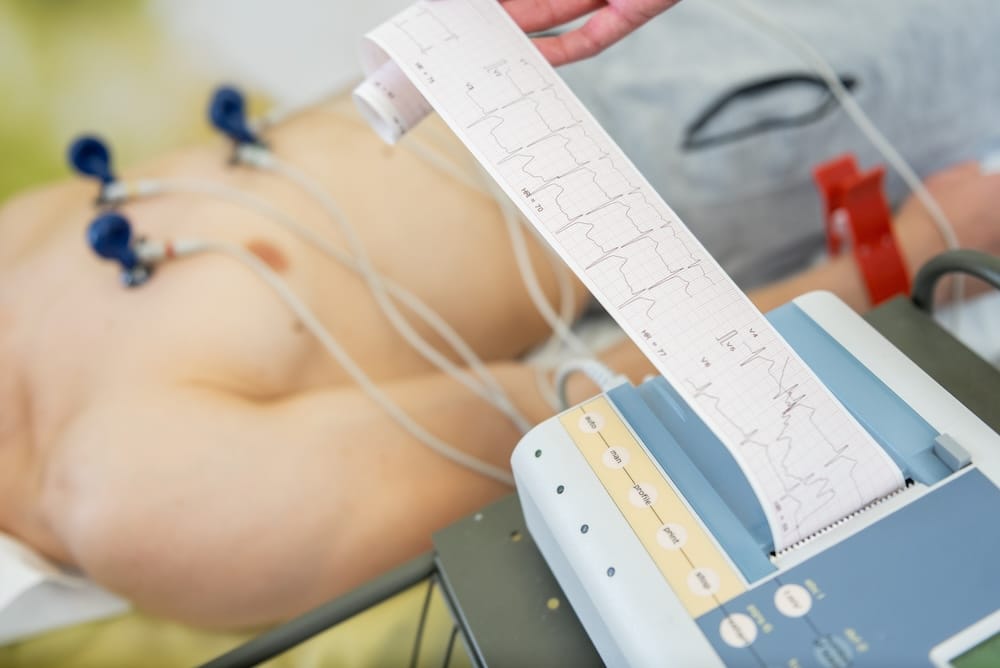
Barts Life Sciences is playing a central role in bringing a pioneering new AI screening tool closer to routine NHS use. Developed by clinicians and researchers at Barts Health and Queen Mary University of London, the Intelligent Heart Evaluation Framework (iHeF) uses a simple electrocardiogram (ECG) to detect subtle changes in heart function that currently require specialist hospital imaging.
Backed by £1.3m from the National Institute for Health and Care Research (NIHR), the project aims to make heart failure testing faster, cheaper and more accessible for patients. This matters particularly in East London, where rates of heart and circulatory disease are among the highest in the country and where long waits for echocardiograms continue to place pressure on cardiac services. By enabling earlier screening in GP practices, community diagnostic centres or even at home, iHeF has the potential to reduce waiting lists and free up hospital resources for patients who need advanced care.
As a key delivery partner, Barts Life Sciences will lead the real-world evaluation of how the technology works in everyday NHS practice. This includes assessing how clinicians use AI‑ generated insights, how patients feel about AI‑ supported‑ diagnosis, and how the tool integrates with existing digital systems and clinical workflows.
By embedding user insight early and testing the technology in real settings, Barts Life Sciences is helping to derisk implementation, accelerate adoption, and generate the practical evidence innovators need to support future market entry. This ensures the technology is not only clinically accurate‑, but usable, ethical and scalable across the health system.
Together, this programme will support earlier diagnosis, reduce pressure on hospital services and ensure innovation reflects the needs of the diverse communities we serve.
Colin Heath, a patient at Barts Health, said:
“I believe using AI to help check heart tests could really cut waiting times, making care quicker and less stressful for people like me. I also think that research like this, using the right data, can make a real difference and may even help save more lives in the future.”
Dr Nay Aung, Consultant Cardiologist at Barts Heart Centre and Clinical Senior Lecturer at Queen Mary University of London, and the lead inventor of iHeF, said: “Over a million people in Britain have heart failure and an estimated 400,000 more remain undiagnosed. Early diagnosis saves lives and improves outcomes for patients. Our invention aims to reduce waiting times so patients can be screened and diagnosed sooner”.